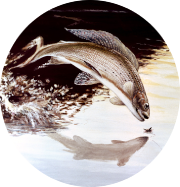
River birds
Dipper, grey and pied wagtail, kingfisher, common sandpiper, oystercatcher, goosander, teal, heron, manderin duck and moorhen are among those recorded. Red kite, buzzard and cuckoo have also been seen, and even osprey has been observed.
A remarkable natural setting
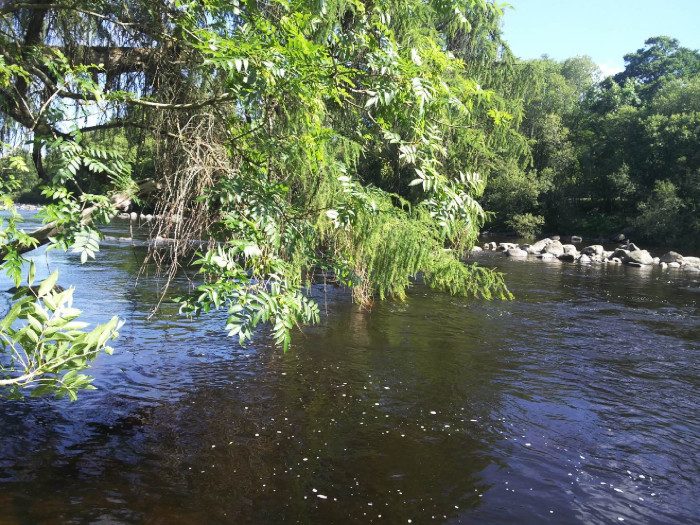
The fishing lies within Shipley and Great Woods SSSI — ancient woodland of exceptional biological diversity beside the River Tees.
Ancient woodland
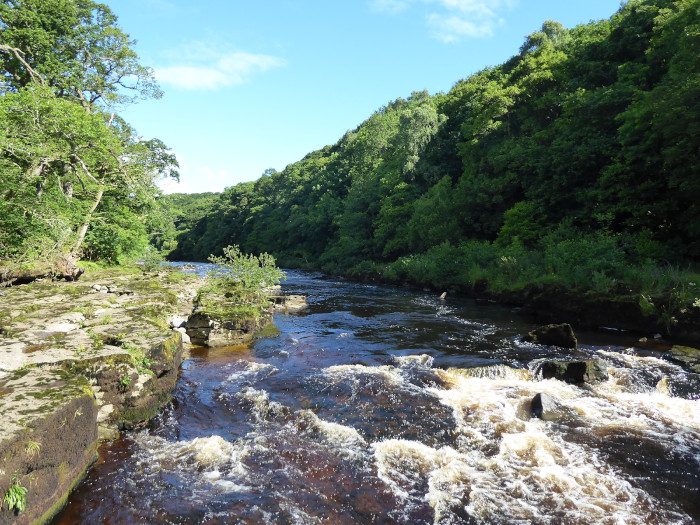
Shipley and Great Woods occupies the steep valley slopes, cliffs and boulder screes beside the Tees. The official SSSI citation describes it as one of the most important woodland sites in North East England and records features characteristic of long-established ancient woodland.
For members, that makes every visit about more than trout and grayling. The river is surrounded by woodland, plants, birds and mammals, with the landscape changing markedly through the seasons.
The privilege of fishing here carries with it a responsibility to leave this special place as natural as we find it.
Recorded on the beat
Members have recorded a wide variety of river and woodland birds while fishing and walking the beat.
Dipper, grey and pied wagtail, kingfisher, common sandpiper, oystercatcher, goosander, teal, heron, manderin duck and moorhen are among those recorded. Red kite, buzzard and cuckoo have also been seen, and even osprey has been observed.
Pied flycatcher, redstart, blackcap, chiffchaff, willow warbler, treecreeper, nuthatch, goldcrest and great spotted and green woodpeckers feature in the syndicate's records.
Otter, roe deer, badger, stoat, fox, polecat, pine marten, red squirrel, bats, wood mouse and shrew have also been recorded, reflecting the variety of habitats found along this secluded stretch of river.
Flora & natural history
The SSSI citation records ash, wych elm, hazel, holly, bird cherry and yew, together with a rich woodland ground flora. On more acidic ground there is sessile oak woodland, while alder occurs along streams and flushed areas.
The site is especially important for its woodland lichens, including nationally and regionally rare species, and more than 100 species of moss and liverwort have been recorded.
Beside the Tees, seasonally flooded shingle and rock ledges support their own distinctive vegetation, including a small population of nationally rare shrubby cinquefoil.
Much of the special character of the Romaldkirk Anglers beat comes from Shipley and Great Woods, a designated Site of Special Scientific Interest. The official citation recognises its ancient woodland, exceptional lichen flora, rich moss and liverwort communities, woodland birds and distinctive riverside vegetation.
A surprising feature
Among the trees growing beside the river is a group of giant redwoods — an unexpected sight within this already remarkable woodland landscape and another feature members come to know well.
Members are encouraged to notice the natural world around them and share new wildlife observations with the syndicate.